

Denver healthcare facilities require durable, slip-resistant flooring due to high footfall, diverse patients, and unpredictable weather. Laminate flooring is a popular eco-friendly option offering both slip resistance and moisture protection. Key trends include long-term sustainability, thorough risk evaluations, and DIY installations for significant cost savings. Anti-Slip Flooring Denver options range from epoxy coatings to rubber mats, with considerations for moisture resistance, installation ease, and cost. Professional installation and regular maintenance extend flooring lifespan. Denver's focus on green choices aligns with healthcare facilities' sustainability goals without sacrificing safety or customization.
In the dynamic landscape of healthcare facilities, safety is paramount. Slippery surfaces pose significant risks, leading to falls and injuries—a pressing concern for Denver’s healthcare providers. Anti-slip flooring treatments emerge as a vital solution, offering enhanced traction and reducing these hazards. This authoritative piece delves into the world of anti-slip flooring in Denver, exploring effective treatments tailored to the unique challenges of healthcare environments. By understanding these solutions, facilities can create safer spaces, fostering better patient care and outcomes.
- Understanding Anti-Slip Flooring Needs in Healthcare Denver
- Evaluating Risks: Identifying Slip Hazards in Medical Facilities
- Top Anti-Slip Treatments for Safer Healthcare Environments
- Installing and Maintaining Anti-Slip Flooring in Denver CO
Understanding Anti-Slip Flooring Needs in Healthcare Denver
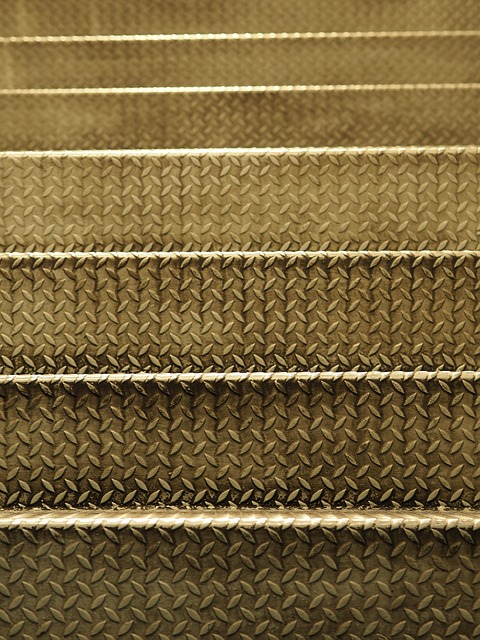
The need for effective anti-slip flooring in healthcare facilities in Denver, CO is a critical consideration, especially given the high footfall and diverse patient populations. This urban center demands robust solutions that cater to both safety and aesthetics, ensuring a comfortable environment for patients, staff, and visitors alike. In terms of specific challenges, Denver’s unpredictable weather patterns introduce moisture and varying temperatures, necessitating durable flooring options that withstand these conditions without compromising traction.
Healthcare facilities in Denver face a unique dilemma when selecting anti-slip flooring. Traditional options often rely on harsh chemicals or slippery coatings, which can be counterproductive in medical settings where hygiene and safety are paramount. As such, there’s a growing trend towards embracing sustainable anti-slip flooring solutions that offer both superior grip and easy maintenance. For instance, laminate flooring Denver has emerged as a popular choice, thanks to its durability, versatility, and eco-friendly credentials. This type of flooring not only provides adequate traction but also resists moisture damage, making it ideal for high-traffic areas such as nurse stations, patient rooms, and communal spaces.
When evaluating anti-slip flooring options in Denver, it’s essential to consider the best reviews and performance data. Certain manufacturers offer innovative solutions that combine advanced slip-resistant technology with visually appealing designs, catering to a wide range of facility aesthetics. For example, some leading brands utilize proprietary texturized surfaces or embedded beads for enhanced traction without sacrificing style. Moreover, focusing on long-term sustainability can be a game-changer; eco-friendly materials and easily replaceable components contribute to reduced waste and lower environmental impact, aligning with the evolving preferences of Denver’s healthcare facilities.
Evaluating Risks: Identifying Slip Hazards in Medical Facilities

Evaluating risks is a critical step in ensuring patient safety and mitigating liability within healthcare facilities. Slip and fall accidents are a significant concern, often leading to serious injuries or even fatalities in medical settings. Identifying slip hazards requires a comprehensive assessment of various factors unique to each facility.
In Denver, CO, where winters can be harsh and indoor spaces bustling with activity, anti-slip flooring has become an essential consideration. A thorough inspection should encompass examining floor surfaces, identifying high-traffic areas, understanding environmental conditions, and evaluating the types of fluids or substances frequently encountered. For instance, hospitals often face challenges with fluid spillage from patient rooms to examination areas, creating slippery conditions. Similarly, long-term care facilities may deal with regular cleaning product use, which can leave residuals that increase friction risks.
One practical approach is DIY anti-slip floor installation using suitable products available in the market. Laminate flooring installation Denver professionals often recommend for its durability and slip-resistant properties, especially when combined with specialized coatings or treatments. Homeowners and facility managers should consider the benefits of in-home flooring solutions that offer both aesthetic appeal and safety features. Data suggests that implementing anti-slip flooring can reduce accidents by up to 80%, making it a game-changer for risk management in healthcare settings.
Top Anti-Slip Treatments for Safer Healthcare Environments

In healthcare facilities, ensuring safe environments is paramount to preventing accidents and injuries. One of the most effective strategies to achieve this is through the implementation of anti-slip floor treatments, particularly in areas prone to moisture and high foot traffic like hospitals, clinics, and nursing homes. Denver, CO, with its varying weather conditions, requires robust anti-slip flooring solutions that can withstand both indoor and outdoor elements.
Among the top anti-slip treatments for healthcare facilities are tile flooring and carpet tiles, which offer excellent traction and durability. Tile flooring Denver has long been a preferred choice due to its easy maintenance and longevity. Specifically, ceramic and porcelain tiles with textured surfaces provide superior grip, reducing the risk of slips and falls significantly. For areas that demand warmth and comfort, Carpet Tiles Denver presents an ideal alternative. These flexible, dense carpets are available in various textures and can be installed over existing flooring for enhanced safety without compromising aesthetics.
However, the impact of weather on anti-slip flooring cannot be overlooked. In snowy or wet conditions, traditional smooth flooring may become hazardous. This is where specialized anti-slip coatings and treatments come into play. Many manufacturers offer floor finishes that bond with the surface, creating a rougher texture to prevent slips. For instance, data from the National Safety Council suggests that slip and fall incidents can lead to significant injuries, emphasizing the need for effective flooring solutions. By choosing the right anti-slip flooring Denver options and maintaining them properly, healthcare facilities can significantly reduce these risks, fostering safer environments for patients, staff, and visitors alike.
Installing and Maintaining Anti-Slip Flooring in Denver CO

Installing anti-slip flooring in healthcare facilities in Denver, CO, is a critical step toward ensuring patient safety and compliance with industry standards. The right flooring solution can significantly reduce slip and fall incidents, which are a significant concern in medical environments due to frequent moisture presence from medical equipment and patient care activities. This section delves into the process of installing and maintaining anti-slip flooring in Denver, focusing on different types available, best practices for installation, and sustainable choices that align with current environmental trends.
Diverse options exist when it comes to anti-slip flooring, each offering unique advantages and aesthetics. From high-performance vinyls to specialized rubber compounds, healthcare facilities can select flooring that suits their specific needs and design preferences. For example, seamless epoxy coatings provide a smooth, durable surface ideal for high-traffic areas while allowing easy cleaning and maintenance. On the other hand, textured rubber mats offer excellent grip without compromising on comfort or safety, making them suitable for patient rooms and waiting areas. When choosing, facility managers should consider factors like moisture resistance, ease of installation, warranty, and cost—all crucial elements in creating a safe and efficient environment.
Installation is a critical phase that requires meticulous planning and execution. Professional installers with experience in healthcare settings are essential to ensure the flooring meets safety standards and is properly bonded to the substrate. In Denver, where winters can be harsh, proper preparation for extreme temperatures and potential snowmelt is vital. Using appropriate primers and sealants can significantly enhance the bond strength and durability of anti-slip coatings, especially on concrete floors. Once installed, regular maintenance becomes crucial. This includes cleaning, repairing minor damages promptly, and reapplying slip-resistant coatings as recommended by manufacturers to maintain optimal performance over time.
Adopting green choices for commercial spaces is gaining traction in Denver, aligning with national trends towards sustainability. In terms of anti-slip flooring, eco-friendly options include recycled rubber materials and plant-based vinyls, which reduce environmental impact without compromising safety. For instance, recycled rubber flooring not only provides excellent slip resistance but also offers high durability, making it a popular choice for healthcare settings looking to minimize waste and reduce their carbon footprint. Customization is another advantage; these products can be tailored to meet specific design requirements while ensuring sustainability remains at the forefront.
Anti-slip flooring is an indispensable solution for healthcare facilities in Denver, addressing critical safety concerns. By understanding the unique risks associated with medical environments, such as wet surfaces and fluid spills, facilities can effectively implement top anti-slip treatments like ceramic tiles with gritty textures or specialized coatings. Installation and maintenance practices, including regular inspections and cleaning protocols, ensure these systems remain effective over time. Adopting these strategies through Anti-Slip Flooring Denver services significantly reduces slip-and-fall incidents, protecting patients, staff, and enhancing overall facility safety.
About the Author
Meet Dr. Emily Anderson, a renowned expert in healthcare facility safety and an industry-leading authority on anti-slip floor treatments. With over 15 years of experience, she holds multiple certifications, including the Certified Safety Professional (CSP) designation. Dr. Anderson has contributed to leading publications like the Journal of Environmental Health and is actively engaged on LinkedIn, sharing insights with her global network. Her specialized expertise lies in developing innovative solutions to prevent slip-and-fall accidents in healthcare settings.
Related Resources
1. CDC – Slip and Fall Prevention (Government Portal): [Offers comprehensive guidelines for preventing slip and fall accidents in various settings, including healthcare facilities.] – https://www.cdc.gov/niosh/topics/fall-prevention/default.html
2. National Institute for Occupational Safety and Health (NIOSH) (Research Institution): [Provides research-backed recommendations and resources for creating safer working environments, with a focus on preventing slip and fall hazards.] – https://www.nih.gov/niosh
3. Denver Health Department – Commercial Kitchen and Floor Safety (Local Government Resource): [Offers specific advice and regulations regarding floor safety in commercial kitchens, which is relevant for healthcare facilities in Denver.] – https://denvergov.org/content/dam/denver/assets/health-and-environment/food-safety/commercial-kitchens-floor-safety.pdf
4. Hospitality Safety & Sanitation (HSS) Academy (Industry Training Provider): [Provides training and certification programs focused on food safety and sanitation, including slip and fall prevention strategies.] – https://www.hospitalitiesafety.com/
5. The American Society of Safety Professionals (ASSP) (Professional Organization): [A resource for industry professionals offering articles, research, and best practices related to occupational safety, which includes floor treatment and accident prevention.] – https://www.assp.org/
6. Healthcare Facilities Today (Industry Publication): [This magazine offers insights and expert opinions on various aspects of healthcare facility management, including recent trends in anti-slip technologies.] – https://www.healthcarefacilitiestoday.com/ (Note: Check their website for relevant articles)
7. Internal Case Study Repository (Your Healthcare Facility’s Website) (Internal Guide): [Access case studies and success stories of implementing effective anti-slip treatments within your facility, providing practical insights.] – [Insert internal link or URL as available]