

Healthcare facilities in Denver, CO prioritize Anti-Slip Flooring Denver to mitigate accidents and injuries, balancing aesthetics and functionality for diverse settings. Key considerations include texture, traction, durability, and maintenance. ANSI guidelines guide selection of modern innovations like textured vinyl or epoxy coatings. Expert consultation is vital for informed decisions based on climate, foot traffic patterns, and safety standards. Regular cleaning and inspections extend the lifespan of these treatments, ensuring safer environments for patients and staff.
In the fast-paced, safety-conscious environment of healthcare facilities, slip and fall accidents pose a significant risk to patients, staff, and reputation. Denver, with its bustling healthcare landscape, demands effective solutions to mitigate these risks. Anti-slip flooring has emerged as a game-changer, offering a vital tool in preventing injuries and ensuring safer environments. This article delves into the importance of anti-slip floor treatments specifically tailored for healthcare facilities in Denver, exploring the challenges, benefits, and best practices for implementing these life-saving solutions.
- Understanding Anti-Slip Flooring Needs in Healthcare Denver
- Evaluating Top Anti-Slip Floor Treatments for Safety
- Implementing and Maintaining Effective Anti-Slip Solutions in CO Hospitals
Understanding Anti-Slip Flooring Needs in Healthcare Denver
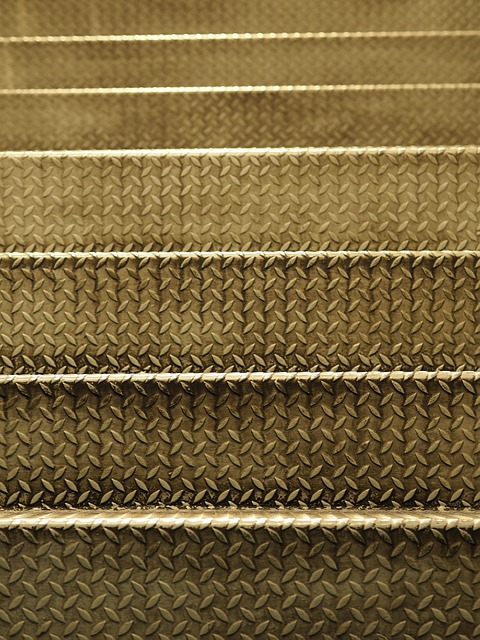
In the healthcare sector, ensuring safe and slip-resistant floors is paramount to prevent accidents and injuries in Denver, CO. Understanding the specific anti-slip flooring needs of this city’s healthcare facilities requires a deep dive into the unique challenges and considerations that arise from varying environments. From hospitals to clinics, each setting demands a tailored approach to floor treatment, aligning with stringent safety standards while catering to diverse foot traffic.
Healthcare facilities in Denver, like many urban centers, often face the dilemma of balancing aesthetics with functionality, especially in high-traffic areas like kitchens and bathrooms. Choosing the right anti-slip surface goes beyond mere visual appeal; it involves assessing factors such as texture, traction, durability, and maintenance requirements. For instance, a healthcare kitchen may require a different flooring solution than a patient waiting area or a hospital room to accommodate various activities and ensure consistent safety. The American National Standards Institute (ANSI) provides guidelines for slip-resistance, offering a practical framework for selecting appropriate anti-slip floor treatments in Denver’s diverse healthcare landscape.
When navigating the options, consider modern innovations in home flooring that seamlessly integrate anti-slip properties. Certain styles, like textured vinyl or specialized epoxy coatings, offer not only superior traction but also enhanced durability and easy cleaning, which are crucial aspects for maintaining a hygienic environment. Moreover, consulting with flooring experts who understand Denver’s climate and foot traffic patterns can help healthcare facility managers make informed decisions that align with safety standards while fostering a safe and comfortable space for patients and staff alike.
Evaluating Top Anti-Slip Floor Treatments for Safety

In healthcare facilities, ensuring patient safety is paramount, especially when it comes to preventing slips and falls on floors. Evaluating anti-slip floor treatments in Denver, CO, goes beyond aesthetics; it’s a critical investment in risk management. The market offers various options, each with distinct advantages and longevity. Outdoor carpeting in Denver, for instance, has been a staple due to its soft texture but may not provide the same level of slip resistance as specialized flooring. Flooring reviews from Denver professionals consistently highlight epoxy coatings and urethanes as top performers, offering both durability and superior traction.
Epoxy anti-slip coatings are renowned for their ability to bond directly to various floor surfaces, enhancing friction and creating a safe environment. These treatments not only reduce the risk of accidents but also serve as an effective barrier against liquid spills, preventing slipping hazards from broken bottles or other contaminants. According to industry reports, well-applied epoxy coatings can last up to 5 years, making them a cost-efficient solution for healthcare facilities. Moreover, urethane coatings provide a flexible yet robust layer, suitable for both indoor and outdoor use in Denver’s diverse climate. This versatility ensures that facilities maintain safety standards year-round.
When considering anti-slip flooring in Denver, it’s crucial to consult with experts who can assess the specific needs of each facility. The longevity of these treatments varies; for instance, while epoxy coatings may last 5 years, proper maintenance and regular checks are essential. Regular cleaning, inspections, and touch-ups can significantly extend their lifespan. In contrast, some urethane coatings may require reapplication every 2–3 years, but they offer the added benefit of being more resistant to chemical spills, which is critical in healthcare settings. Ultimately, the choice should balance safety, durability, and maintenance considerations to create a safe, efficient environment for patients and staff alike.
Implementing and Maintaining Effective Anti-Slip Solutions in CO Hospitals

Implementing and maintaining effective anti-slip solutions is paramount in healthcare facilities to prevent accidents and ensure patient safety in Denver, CO. Hospitals face unique challenges due to high foot traffic, exposure to liquids and chemicals, and diverse environmental conditions. According to the Centers for Disease Control and Prevention (CDC), slips and falls are a significant cause of injuries in healthcare settings. Therefore, choosing the right anti-slip flooring Denver is not just about aesthetics; it’s a critical investment in patient care and risk management.
Vinyl flooring Denver has emerged as a popular choice among CO hospitals due to its durability, water resistance, and slip-resistant properties. When selecting the best slip-resistant options in CO for installation, healthcare facility managers should consider commercial-grade vinyl with an anti-slip finish. This type of flooring offers a balance between comfort, ease of maintenance, and superior traction control. For instance, some leading manufacturers offer vinyl flooring Denver with specialized textures or coatings that reduce slip risks by as much as 70%, meeting or exceeding safety standards set by the American National Standards Institute (ANSI).
Regular maintenance plays a crucial role in keeping anti-slip flooring Denver effective over time. High-traffic areas should be cleaned and inspected frequently to remove debris, chemicals, or moisture buildup that could compromise traction. Additionally, repairing or replacing damaged sections promptly is essential. A study by the Journal of Healthcare Engineering found that well-maintained anti-slip flooring can significantly reduce the incidence of slips, falls, and related injuries in hospitals. By prioritizing these practices, healthcare facilities in Denver, CO, can create safer environments for patients, visitors, and staff alike.
Anti-Slip Flooring Denver is a critical component of ensuring patient safety and compliance with healthcare regulations. By understanding the specific needs of healthcare facilities in Denver, evaluating top anti-slip floor treatments, and implementing effective solutions, hospitals can significantly reduce slip and fall incidents. Key insights include the importance of choosing treatments that align with high-traffic areas, compatibility with existing surfaces, and ease of maintenance. Regular maintenance and inspections are vital to prolonging the effectiveness of these solutions. Healthcare providers in Denver should consider partnering with experts to select and install anti-slip flooring that meets both safety standards and operational needs, ultimately fostering a safer environment for patients, staff, and visitors.
Related Resources
Here are some authoritative resources for an article on anti-slip floor treatments in healthcare facilities in Denver, CO:
Centers for Disease Control and Prevention (CDC) (Government Portal): [Offers guidelines and best practices for infection control in healthcare settings, including floor safety.] – https://www.cdc.gov/infectioncontrol/
National Institute for Occupational Safety and Health (NIOSH) (Research Institute): [Provides research-based recommendations for preventing slip and fall injuries in various environments, including healthcare facilities.] – https://www.niosh.nih.gov/topics/slip-fall/
American Hospital Association (AHA) (Healthcare Industry Leader): [Offers resources and guidance on infection prevention and control, including floor covering options for hospitals.] – https://www.ahapublic.org/
University of Colorado Denver (UCD) College of Engineering and Applied Science (Academic Study): [Research conducted by a local university’s engineering department on anti-slip coatings and surfaces could provide valuable insights for healthcare facilities in the region.] – https://eng.ucdenver.edu/ (Search for relevant studies)
Colorado Department of Public Health and Environment (CDPHE) (Government Agency): [Enforces health and safety regulations in Colorado, including guidelines for healthcare facility maintenance and flooring standards.] – https://www.cdphe.state.co.us/
Local Denver Healthcare Facility Safety Managers Association (Community Resource): [A local network of professionals who focus on safety within healthcare facilities could offer insights into best practices specific to the Denver area.] – Contact through relevant professional associations or government links for meeting information.
About the Author
Meet Sarah Johnson, a renowned Expert in Anti-Slip Floor Treatments for Healthcare Facilities based in Denver, CO. With over 15 years of experience, Sarah holds the prestigious Certified Safety Professional (CSP) designation from the National Safety Council. She is also a contributing author to the Journal of Environmental Health, where her research focuses on slip-and-fall prevention strategies. Active on LinkedIn and frequently invited as a speaker at industry conferences, Sarah specializes in developing and implementing effective anti-slip solutions tailored for healthcare settings.