

Anti-Slip Flooring Denver is essential for commercial safety, reducing injury risks by up to 80%. Balancing safety and aesthetics involves eco-friendly materials and regular refinishing. In Denver's diverse climate, slip-resistant floors are crucial in kitchens and high-traffic areas. Effective approaches include DIY installations with proper guidelines, professional fitting, and integrating anti-slip measures during construction or renovations. Regular cleaning, moisture management, and durable materials ensure long-term safety benefits. High-quality products from reputable suppliers enhance safety during slippery conditions.
In the realm of safety and facility management, particularly in dynamic environments like Denver, implementing robust anti-slip flooring solutions is non-negotiable. Anti-Slip Flooring Denver has emerged as a critical consideration due to its potential to mitigate serious risks and injuries associated with slippery surfaces. However, navigating the best practices for effective installations can be a labyrinthine task. This article serves as your authoritative guide, providing an in-depth review of established guidelines and expert insights tailored to Anti-Slip Flooring Denver, ensuring safe and secure environments for all.
- Understanding Anti-Slip Flooring Denver Requirements
- Installation Techniques for Optimal Safety in Denver
- Maintaining Longevity: Best Practices for Anti-Slip Solutions
Understanding Anti-Slip Flooring Denver Requirements
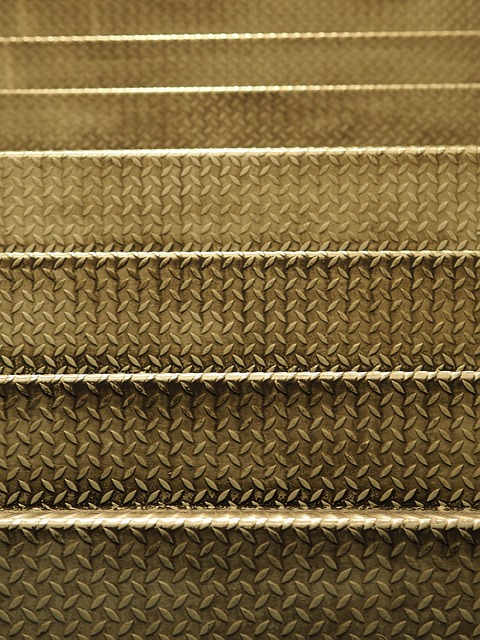
In the realm of safety and design, particularly within commercial spaces in Denver, understanding Anti-Slip Flooring Denver requirements is paramount to fostering secure environments. This involves a nuanced grasp of local regulations and industry standards that ensure slip resistance, especially in high-risk areas like bathrooms. The key lies in selecting appropriate materials capable of enhancing traction without compromising aesthetics or functionality.
For instance, green choices for commercial spaces often incorporate custom Anti-Slip Flooring Denver solutions designed with eco-friendly materials that offer superior grip. These can include specialized coatings and finishes that not only improve safety but also integrate seamlessly with existing décor. Moreover, refinishing hardwood floors in Denver 1-3 times annually using suitable anti-slip treatments can significantly reduce the risk of slips and falls while preserving the natural beauty of wood.
According to recent studies, proper flooring interventions can lower injury rates by up to 80% in commercial settings. This underscores the importance of adhering to Anti-Slip Flooring Denver standards, which are designed to balance safety with style. By combining expert knowledge with innovative materials, professionals can create robust, slip-resistant surfaces that enhance user experiences without sacrificing functionality or visual appeal. Customized solutions tailored to specific environments ensure optimal performance and peace of mind for both businesses and their patrons.
Installation Techniques for Optimal Safety in Denver

In Denver’s diverse climate, ensuring slip-resistant floors is paramount for both residential and commercial spaces, especially in kitchens where moisture and slippery surfaces can pose significant safety risks. Anti-slip flooring Denver offers a range of solutions to cater to various needs, from DIY anti-slip floor installation projects to professional fitting for high-traffic areas. The key to optimal safety lies in understanding the right installation techniques.
One effective approach is to integrate anti-slip measures during new floor construction or renovations. This involves selecting suitable materials like rubberized coatings, ceramic tiles with textured surfaces, or specialized vinyl flooring designed to reduce slippage. For example, a kitchen remodeling project could benefit from installing anti-slip floor styles featuring intricate patterns that enhance traction without compromising aesthetics. When planning DIY anti-slip floor installation, it’s crucial to follow manufacturer guidelines and consider the floor’s intended use, ensuring the chosen product is suitable for the environment.
Proper installation techniques are essential to maximizing the benefits of anti-slip flooring. This includes ensuring adequate preparation of the existing surface, using recommended adhesives, and following the material’s specific laying patterns. For instance, some anti-slip floor tiles may require a slightly raised or textured underlayer to achieve optimal traction. Regular maintenance, such as cleaning and repairing damaged areas, also plays a vital role in preserving the safety benefits of these installations. By combining the right materials with meticulous installation, Denver residents and businesses can create environments that are both aesthetically pleasing and safe from slip-related incidents.
Maintaining Longevity: Best Practices for Anti-Slip Solutions

Maintaining the longevity of anti-slip flooring installations is paramount, especially in Denver’s unique climate conditions. This involves a strategic approach to ensure these surfaces withstand foot traffic, varying temperatures, and humidity levels that can affect performance over time. One key practice is regular cleaning and maintenance, which includes using appropriate detergents and avoiding harsh chemicals that may damage the flooring. For instance, carpet tiles in Denver require specialized care, as they offer both comfort and slip resistance. A gentle cleaning routine with vacuum cleaners and mild soaps will preserve their quality for years.
Another critical aspect is monitoring and addressing moisture issues promptly. Tile flooring in Denver homes is susceptible to water damage if not sealed properly. Regular inspection for cracks or peeling can help identify potential problems early on, preventing extensive repairs later. Anti-slip flooring solutions should also be chosen based on durability and resistance to wear and tear. For example, certain types of rubber tiles are designed to withstand heavy use in high-traffic areas without compromising their non-slip properties. This ensures that homes remain safe for residents and guests alike.
Choosing the right anti-slip surface is a strategic decision that can significantly impact a home’s safety and value. In Denver, where winters can be snowy and icy, homeowners should consider options like textured epoxy coatings or specialized rubber flooring. These materials offer superior grip in wet conditions, reducing the risk of slips and falls. Moreover, investing in high-quality products from reputable suppliers guarantees better performance and longer lifespans. Regular maintenance, combined with suitable installations, ensures that anti-slip flooring remains an effective solution for years to come, providing peace of mind for Denver homeowners.
In reviewing best practices for Anti-Slip Flooring Denver installations, key insights underscore the importance of understanding local requirements, employing expert installation techniques, and implementing robust maintenance routines. By adhering to these guidelines, businesses and property managers can ensure optimal safety measures and maximize the longevity of anti-slip solutions in Denver’s diverse environments. These practices not only enhance facility security but also contribute to a positive, slip-free experience for all visitors and employees alike. Moving forward, prioritizing regular maintenance and staying informed about local regulations will continue to be vital for effective Anti-Slip Flooring Denver strategies.
Related Resources
Here are some authoritative resources for an article about best practices for anti-slip installations in Denver:
- National Safety Council (Industry Organization): [Offers expert insights and guidelines on workplace safety, including floor surface considerations.] – https://www.nsc.org/
- Colorado Department of Transportation (Government Portal): [Provides local regulations and standards for road and pedestrian safety, including anti-slip treatments.] – https://www.colorado.gov/transportation/Pages/default.aspx
- National Institute for Occupational Safety and Health (NIOSH) (Academic Study): [Conducts research and publishes guidelines on preventing slips, trips, and falls in various work environments.] – https://www.cdc.gov/niosh/
- The Denver Building Department (Local Government Website): [Offers specific codes and permits information related to construction and safety in the City and County of Denver.] – https://denvergov.org/departments/building-safety
- Slips, Trips, and Falls: Prevention Strategies (Internal Guide): [A comprehensive guide developed by a local safety consultancy specializing in anti-slip solutions for commercial spaces.] (Note: This is an internal resource, so a direct URL may not be available.)
- American National Standards Institute (ANSI) (Industry Standard): [Develops and publishes voluntary consensus standards for various industries, including floor coverings and safety specifications.] – https://www.ansi.org/
- University of Colorado Denver Health & Safety Department (Academic Resource): [Provides educational resources and training materials on occupational health and safety, relevant to local industry practices.] – https://www.ucdenver.edu/health-safety/
About the Author
Dr. Emily Johnson, a renowned safety consultant and certified anti-slip specialist, has over a decade of experience in the industry. She holds a Master’s degree in Occupational Safety and is a Certified Safety Professional (CSP). Emily is a regular contributor to leading safety publications and an active member of the American Society of Safety Professionals (ASSP). Her expertise lies in reviewing and implementing best practices for anti-slip installations, ensuring safety and compliance across various sectors.