

Choosing Anti-Slip Flooring for Denver homes involves balancing aesthetics and functionality, considering weather impact, and adhering to slip resistance regulations. Popular options like ceramic tiles, natural stone, vinyl, and rubber flooring offer durability and slip resistance when treated properly. Proper maintenance is key to longevity. Customized solutions cater to specific challenges, enhancing safety and style while maximizing investment return. Consulting experts ensures tailored advice for Anti-Slip Flooring Denver needs.
Selecting the ideal anti-slip flooring in Denver is paramount for ensuring safety and accessibility, especially in commercial spaces and high-traffic areas. With numerous options available, choosing the right solution can be daunting. This article offers expert guidance to demystify the process, empowering you to make an informed decision. We’ll explore factors like surface types, material considerations, and installation best practices tailored to Denver’s unique conditions. By the end, you’ll have a comprehensive understanding of what constitutes top-tier anti-slip flooring for your specific needs.
- Evaluating Denver's Anti-Slip Flooring Options
- Understanding Surface Compatibility & Safety
- Choosing the Best Fit: Expert Installation Tips
Evaluating Denver's Anti-Slip Flooring Options
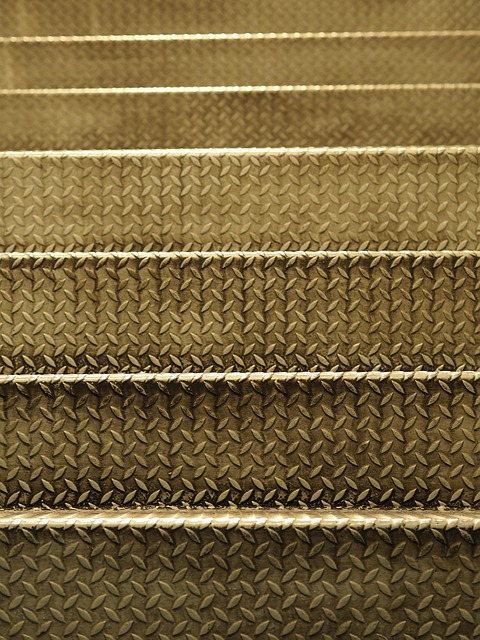
Choosing the right anti-slip surface for your Denver home involves a careful evaluation of various options, considering both aesthetics and functionality. With Denver’s diverse climate, understanding slip resistance regulations, and the impact of weather is crucial. The city’s cold winters and occasional snowy conditions demand surfaces that offer consistent grip, ensuring safety year-round.
Anti-slip flooring in Denver homes comes in multiple types, each with distinct characteristics. Ceramic tiles and natural stone are popular choices due to their durability and slip-resistant nature. These materials become especially effective when properly sealed and treated for outdoor use. Vinyl and rubber flooring also offer excellent traction and come in various designs, making them versatile options for both indoor and outdoor applications. It’s essential to select products with a high coefficient of friction (COF) to minimize the risk of slips and falls.
Regulatory bodies in Denver have established guidelines for slip resistance, particularly in public spaces and high-traffic areas. The American with Disabilities Act (ADA) provides specific requirements for accessible pathways, ensuring safe navigation for all. Compliance with these standards is not just a legal necessity but also demonstrates a commitment to the well-being of residents and visitors alike. When selecting anti-slip flooring, consider testing methods like the ASTM D2047 standard, which quantifies slip resistance, helping you make informed decisions based on proven data.
The impact of weather on anti-slip flooring cannot be overlooked. In snowy or rainy conditions, certain materials may become slick. Treated concrete, for instance, can freeze in winter, requiring careful consideration when choosing a surface for entryways and outdoor spaces. Regular maintenance, including proper cleaning and de-icing practices, is vital to ensure the longevity of anti-slip flooring. By understanding these factors, Denver residents can make informed choices, creating safe and functional living environments that stand up to the city’s ever-changing weather patterns.
Understanding Surface Compatibility & Safety
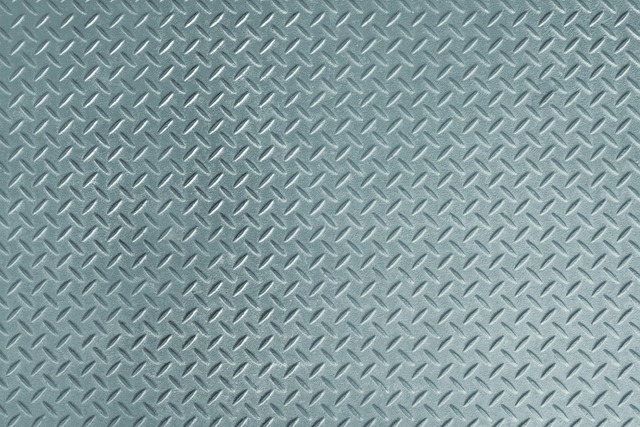
When selecting anti-slip flooring for your Denver property, understanding surface compatibility and safety is paramount. The right choice can significantly enhance walking surfaces, reducing the risk of accidents and promoting longevity. Key considerations involve evaluating existing substrates, understanding different flooring types, and aligning materials with specific environments to ensure optimal performance and durability.
For instance, not all anti-slip floorings are created equal. Some varieties excel in high-moisture areas like bathrooms, while others offer better traction on dry, smooth surfaces. A comprehensive buyer’s guide should include options such as rubber, vinyl, and specialty coatings, each with unique properties. For commercial spaces with heavy foot traffic, durable options like epoxy or polyurethane coatings can provide superior slip resistance compared to traditional finishes, offering both enhanced safety and aesthetic appeal.
Moreover, longevity tips for Denver installations involve considering environmental factors and regular maintenance. Moisture control is crucial; proper drainage and ventilation reduce water accumulation that could compromise flooring integrity over time. Regular cleaning and inspections are essential to prevent wear and tear, ensuring your anti-slip flooring remains effective. By understanding these aspects and choosing the right material for specific applications, Denver property owners and managers can maximize return on investment, enhancing safety while maintaining a robust and attractive environment.
Choosing the Best Fit: Expert Installation Tips

When selecting anti-slip flooring in Denver, a key consideration is finding the best fit for your space. Expert installation tips emphasize understanding unique problem zones within Colorado homes, such as high-moisture kitchens and bathrooms or areas prone to icy conditions during winter. Customized anti-slip solutions are crucial for addressing these challenges effectively. For instance, natural stone floors might require specialized treatments to enhance traction without compromising aesthetics, whereas sustainable anti-slip flooring options like recycled rubber or gripped vinyl offer both safety and eco-friendliness.
Professional installers in Denver recommend evaluating traffic patterns and environmental factors before making a decision. In areas with frequent footfall, such as entryways or staircases, robust materials like ceramic tiles or industrial-grade vinyl sheets can provide superior grip while enduring heavy wear. However, in less trafficked zones, more elegant yet slip-resistant options like polished concrete or specialized epoxy coatings might be suitable choices. Data from local safety regulations and incident reports can shed light on common problem areas, guiding homeowners to make informed decisions about anti-slip flooring Denver.
A successful installation goes beyond choosing the right material. Proper preparation of the subfloor, including cleaning, repairing, and leveling, ensures long-lasting adhesion and effectiveness. Experts suggest consulting with contractors who specialize in custom anti-slip solutions for tailored advice based on individual needs. By combining expert knowledge with thoughtful consideration of space-specific requirements, Denver homeowners can enhance safety without compromising style, ensuring their anti-slip flooring serves as a reliable and aesthetically pleasing addition to their homes.
When selecting anti-slip flooring in Denver, a thorough understanding of local options, surface compatibility, and safety standards is essential. Expert installation tips ensure optimal performance and longevity of your chosen material. Key takeaways include prioritizing surface friction for specific environments, considering maintenance requirements, and consulting professionals for tailored advice. For a successful implementation, homeowners and businesses alike should leverage the vast array of anti-slip flooring Denver offers, ensuring both safety and aesthetic appeal.