
Anti-Slip Flooring Denver is crucial for enhancing safety in diverse weather conditions. Carpet tiles and hardwood with suitable finishes prevent slip-and-fall accidents. Regular maintenance and inspections are vital. Upgrading to anti-slip flooring reduces risks significantly, especially in high-traffic areas and residential settings. Local regulations emphasize slip resistance, with solutions like epoxy coatings and rubber mats. Proper selection, installation, and care extend lifespan and maintain effectiveness, enhancing safety and reducing liability.
In the Denver area, where safety is paramount, especially in public spaces and commercial establishments, addressing slip and fall hazards is crucial. High traction floors play a pivotal role in preventing accidents and safeguarding patrons and employees alike. The problem of slippery surfaces is a significant concern, leading to injuries and legal repercussions. However, a proven solution exists: Anti-Slip Flooring Denver. This article delves into the importance of high-traction flooring, highlights common challenges, and presents anti-slip flooring as an effective, long-lasting solution to enhance safety across various environments in the Denver metro area.
- Understanding Traction: Denver's Floor Safety Needs
- The Dangers of Slip-and-Fall Accidents in Denver
- Anti-Slip Flooring Denver: Effective Solutions
- Implementing High Traction Floors: Step-by-Step Guide
- Best Practices for Maintaining Safe Denver Area Floors
Understanding Traction: Denver's Floor Safety Needs
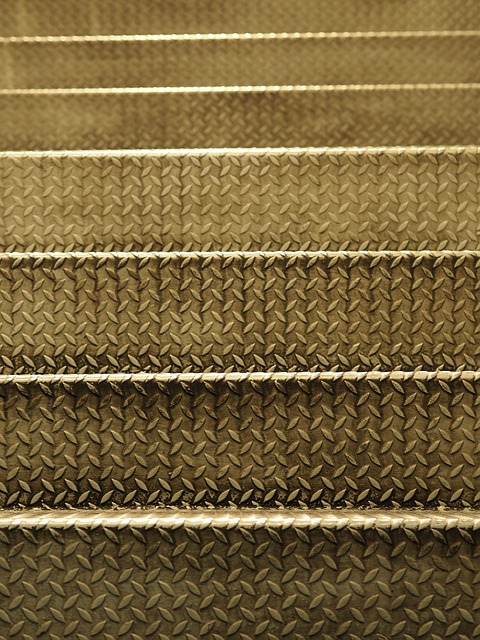
The safety of public spaces and workplaces is significantly influenced by floor surfaces, especially in regions with varying weather conditions like Denver. Understanding traction levels is key to enhancing safety measures, particularly in preventing slip and fall accidents. Anti-slip flooring Denver installations have become increasingly important, given the city’s unpredictable winters and frequent rain, which can transform smooth floors into hazardous areas.
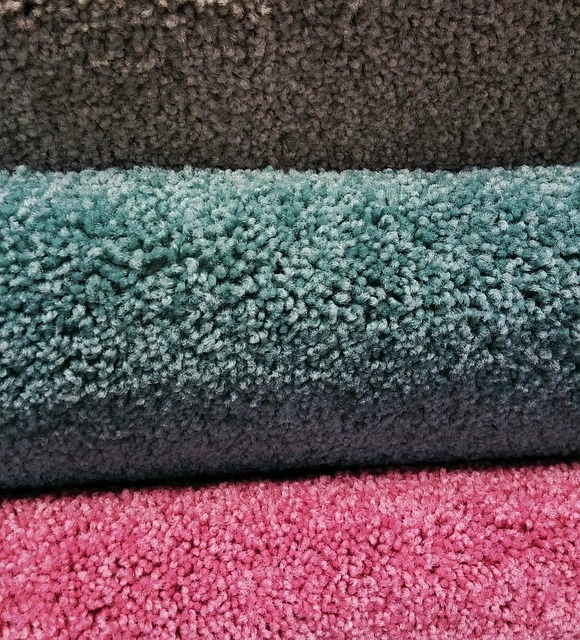
Carpet tiles Denver offer a practical solution, providing good traction while allowing for easy maintenance and a comfortable underfoot feel. Local experts recommend these as a top-rated product due to their versatility and ability to cater to diverse interior designs. However, not all carpet tiles are created equal; high-quality options with dense fiber content ensure superior grip. Hardwood flooring Denver is another popular choice, known for its durability and natural aesthetics. While it may not have the same slip-resistant properties as specialized anti-slip flooring, proper finishes can significantly improve traction. Local contractors often advise combining hardwood with non-skid treatments for optimal safety.
A comprehensive approach to floor safety involves considering both the material and installation quality. Denver’s diverse climate demands robust solutions, ensuring that high-traffic areas remain secure throughout the year. Regular maintenance and inspections are crucial, especially in commercial settings, to identify and rectify potential hazards promptly. By prioritizing anti-slip flooring options like carpet tiles or carefully selected hardwood with suitable finishes, businesses and property owners can significantly reduce the risk of accidents and create safer environments for Denver’s residents and visitors.
The Dangers of Slip-and-Fall Accidents in Denver

Slip-and-fall accidents are a significant concern in the Denver area, particularly in commercial and public spaces where foot traffic is high. These incidents can lead to severe injuries, including fractures, head trauma, and sprains, resulting in costly medical bills, legal repercussions, and lost productivity. One of the primary causes of these accidents is smooth or slippery flooring surfaces, especially when wet or freshly cleaned. The city’s diverse climate, with frequent snow and ice in winters and sudden rainstorms, exacerbates this risk.
Anti-slip flooring solutions have emerged as a critical tool to mitigate these dangers. Denver has seen an increase in the adoption of high-traction floor materials, which offer improved grip and safety compared to traditional smooth surfaces. Different types of anti-slip flooring are available, ranging from coarse-textured tiles to specialized coatings that enhance traction without compromising aesthetics or functionality. For example, grit-embedded mats are effective in preventing slips on wet floors, while ceramic tiles with rough surfaces provide superior traction in high-traffic areas.
Choosing the right anti-slip flooring is essential, and it often involves adhering to local building codes and safety standards. Many contractors specializing in Anti-Slip Flooring Denver offer expert advice and services tailored to meet these requirements. These professionals can help property owners navigate the various options, ensuring they select the most suitable and cost-effective solution for their spaces. By prioritizing anti-slip flooring installations or upgrades, businesses and building managers can significantly reduce slip-and-fall risks, creating safer environments for employees, customers, and visitors alike.
Anti-Slip Flooring Denver: Effective Solutions

In the Denver area, ensuring safe walking surfaces is paramount, especially in commercial buildings where foot traffic is high. Anti-slip flooring Denver has emerged as a vital solution to combat slip and fall accidents, which can lead to severe injuries and legal liabilities. The city’s building codes and health regulations emphasize the need for slip resistance, particularly in areas with moisture or frequent spills.
Denver anti-slip solutions range from specialized coatings to textured flooring systems. For example, epoxy and polyurethane coatings offer superior grip and durability, making them ideal for high-traffic zones like restaurant kitchens and hospital corridors. These coatings not only enhance traction but also provide a seamless, attractive finish. Additionally, rubber or plastic mats can be strategically placed in areas prone to water accumulation or oil spills, effectively reducing the risk of slips. It’s important to note that Denver slip resistance regulations require regular maintenance and inspections to ensure floors remain safe over time.
When implementing anti-slip flooring Denver, it is crucial to consider the specific environment and potential hazards. For instance, healthcare facilities must adhere to stringent safety standards, often requiring medical-grade flooring with superior slip resistance properties. Regular cleaning and maintenance are key to meeting building codes with anti-slip health requirements. According to recent studies, well-maintained anti-slip floors can reduce the risk of injuries by up to 80%, making them a critical investment for Denver businesses. By selecting appropriate materials and staying compliant with local regulations, property owners can create safer environments while also contributing to the overall well-being of their tenants and visitors.
Implementing High Traction Floors: Step-by-Step Guide

Improving safety in high-traffic areas requires a strategic approach, and one of the most effective solutions is the implementation of high-traction floors. This step-by-step guide delves into the process of enhancing floor safety in Denver’s bustling environment, focusing on anti-slip flooring as a game-changer.
Step 1: Assess Your Floor Type
The first crucial step is to evaluate your existing flooring. LVP (Luxury Vinyl Plank) flooring Denver has gained popularity for its durability and slip-resistant properties. Similarly, carpet tiles Denver offer versatility and can be strategically placed in high-risk areas. Understanding your floor’s composition is key to selecting the right anti-slip solution.
Step 2: Choose the Right Anti-Slip Coating
Anti-slip flooring isn’t a one-size-fits-all solution. Consider factors like traffic volume, potential liquid spills, and desired aesthetics. Epoxy coatings are ideal for heavy industrial use due to their strength and longevity. For commercial spaces with regular footfall, specialized anti-slip treatments can be applied over existing floors, ensuring a cost-effective upgrade without major renovations.
Step 3: Preparation and Installation
Before applying any coating, thorough floor preparation is essential. This involves cleaning, repairing any damage, and ensuring the surface is dry and free of debris. For LVP flooring or carpet tiles, professional installation ensures optimal performance. Many anti-slip treatments are DIY-friendly, providing clear instructions for application. These kits often include multiple coats for enhanced traction.
Duration and Maintenance
High-quality anti-slip floors can last 5-10 years or more with proper care. Regular cleaning and maintenance extend their lifespan. Carpet tiles, for instance, can be easily replaced if damaged, ensuring a fresh safety surface. LVP flooring’s durability makes it resistant to fading and chipping, providing consistent traction over time. This long-lasting aspect is crucial in saving costs and effort compared to traditional flooring options that may require frequent replacements.
Best Practices for Maintaining Safe Denver Area Floors

In the Denver area, where varying weather conditions can lead to slippery surfaces, ensuring safe flooring is paramount, especially in residential settings. High traction floors are a practical solution, offering significant advantages in terms of safety and accessibility for all homeowners. The primary focus should be on implementing best practices for maintaining anti-slip flooring Denver residents rely on, particularly in areas prone to moisture and wet conditions.
Choosing non-slip surfaces for in-home flooring is a strategic decision that goes beyond aesthetics; it’s about prioritizing the well-being of occupants and visitors. According to recent studies, slips and falls are a leading cause of injuries in homes, with anti-slip floors proving to be an effective preventative measure. By selecting suitable materials and finishes, homeowners can mitigate risks significantly. For example, natural stone tiles with their slightly textured surfaces provide better traction compared to polished finishes, making them ideal for high-traffic areas like kitchens and bathrooms.
When it comes to types of anti-slip flooring Denver offers a diverse range of options. From seamless epoxy coatings to specialized rubber mats, each has unique properties catering to different needs. For instance, commercial spaces might opt for durable, industrial-grade floors, while residential properties can benefit from more aesthetically pleasing alternatives like wood with specialized coatings or ceramic tiles with built-in grip patterns. The advantages are clear: enhanced safety, reduced liability, and increased longevity of the flooring investment. By adhering to recommended maintenance practices, such as regular cleaning and inspection, Denver homeowners can ensure their floors remain effective over time.
By understanding the unique floor safety needs of Denver’s dynamic environment and implementing effective anti-slip flooring solutions, businesses and property managers can significantly reduce the risk of costly slip-and-fall accidents. The article has outlined a comprehensive approach, from identifying high-risk areas to choosing the right anti-slip flooring Denver options and establishing best practices for maintenance. By following this step-by-step guide, Denver area organizations can create safer environments, protect their liability, and ensure the well-being of their occupants. These key insights empower readers to take proactive measures, making their spaces more secure and welcoming for all.