

Choosing Anti-Slip Flooring Denver requires considering surface characteristics, environmental conditions, material properties, and maintenance needs. Prioritize safety with appropriate slip resistance ratings, especially in varied climates. Select materials like rubber, vinyl, tiles, or concrete based on traffic, aesthetics, and eco-friendliness. Proper installation, regular cleaning, and maintenance extend lifespan up to 50%. Implement a multi-step plan: inspect, repair, clean, and reapply coatings as needed for optimal safety and property investment.
Choosing the right anti-slip flooring in Denver is paramount for safety and functionality, especially in environments where traction matters. With numerous options available, selecting the optimal solution can be daunting. This article provides an authoritative guide to navigate this process, ensuring you make an informed decision. We’ll explore key considerations, from understanding your specific needs to evaluating different flooring types and installation methods. By the end, you’ll possess the knowledge to choose the perfect anti-slip flooring in Denver, enhancing safety and aesthetics in any setting.
- Understanding Anti-Slip Flooring Denver Needs
- Evaluating Safety Features for Optimal Slip Prevention
- Exploring Top Anti-Slip Floor Materials in Denver
- Installation Best Practices for Longevity and Effectiveness
Understanding Anti-Slip Flooring Denver Needs
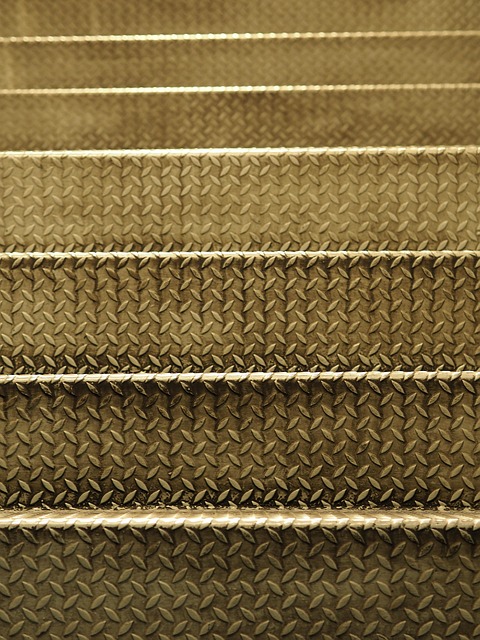
Choosing the right anti-slip flooring in Denver requires understanding your specific needs, from high-traffic areas to green choices for commercial spaces. Anti-Slip Flooring Denver options vary, each with unique advantages and maintenance requirements. For instance, natural materials like rubber or cork offer superior traction but may require more upkeep compared to durable vinyl tiles. Wall tiles Denver that incorporate anti-slip coatings provide a versatile solution suitable for various settings, from gyms to restaurants.
When selecting flooring, consider the environment’s demands. Commercial spaces with constant footfall necessitate long-lasting floors; custom step-by-step guides for beginners in Denver can help navigate this process. Factors like slip resistance ratings (measured by ASTM standards) and floor finish are crucial. Smooth finishes offer better traction, but rougher textures enhance grip in wet conditions. Additionally, green choices for commercial spaces are gaining popularity, with eco-friendly materials reducing environmental impact without compromising safety.
Durability is paramount; anti-slip flooring Denver should withstand regular wear and tear. Some manufacturers offer warranties, providing peace of mind. Regular cleaning and maintenance extend the lifespan of your floor. For example, using non-abrasive cleaners and avoiding excessive water exposure can prevent damage. Remember, the right choice isn’t just about slip resistance but also about creating a safe, comfortable environment for Denver residents and workers alike.
Evaluating Safety Features for Optimal Slip Prevention

When selecting Anti-Slip Flooring Denver, prioritizing safety features is paramount to ensure effective slip prevention. The right flooring solution should go beyond surface treatment, addressing the inherent characteristics of different Denver surfaces and environmental conditions. Customized anti-slip solutions tailored to specific locations offer optimal performance, minimizing risks associated with slippery surfaces.
Consider the diverse nature of Denver’s climate and terrain. During winter months, ice and snow accumulate on walkways and driveways, necessitating robust anti-slip coatings that maintain their effectiveness in cold temperatures. Similarly, wet conditions from rain or melting snow can significantly increase slip hazards. Top-tier Anti-Slip Flooring Denver will demonstrate superior performance in these changing conditions, providing traction even when surfaces are damp or covered in meltwater.
Beyond product specifications, consult with flooring experts to assess the unique challenges posed by your location. For instance, industrial facilities may require anti-slip coatings that withstand heavy traffic and potentially abrasive materials while residential properties might focus on aesthetic appeal alongside safety. Data from industry studies can provide valuable insights into different flooring solutions’ slip resistance ratings. By aligning the chosen Anti-Slip Flooring Denver with these specific needs, you create a safer environment for occupants and visitors alike.
Exploring Top Anti-Slip Floor Materials in Denver

Choosing the right anti-slip flooring Denver involves an in-depth exploration of available materials, each with unique properties to enhance safety without compromising aesthetics. For environments subject to moisture or where slips and falls are a concern, such as commercial kitchens, bathrooms, or outdoor patios, selecting the appropriate surface becomes paramount. Hardwood flooring Denver offers both beauty and traction, but not all woods are created equal; certain species like oak and maple have natural resistance to slippage. When considering sustainable anti-slip flooring options, tile stands out. Its non-porous nature makes it easy to clean and maintain, while specialized coatings can provide superior grip.
Concrete solutions, another popular choice for anti-slip flooring Denver, offers durability and versatility. Coating techniques, such as diamond grinding or applying epoxy resins, can transform a smooth concrete surface into a robust, slip-resistant finish. For eco-conscious projects, recycled rubber or plastic composite materials have gained traction due to their longevity and reduced environmental impact. These options are particularly well-suited for athletic facilities and playgrounds where both safety and sustainability are key considerations.
Installation tips for these diverse materials include ensuring proper preparation of the substrate, using specialized adhesives or coatings as required, and adhering to manufacturer guidelines. For instance, tile installations may necessitate a more intricate layout to avoid expanding joints that could create trip hazards. Wooden floors should be sealed appropriately to prevent moisture penetration, while concrete surfaces require meticulous profiling for effective coating adherence. By understanding these nuances, property owners and contractors in Denver can make informed decisions, ensuring not just anti-slip properties but also aesthetic harmony and long-term functionality.
Installation Best Practices for Longevity and Effectiveness
Choosing the right anti-slip flooring Denver requires a deep understanding of installation best practices for longevity and effectiveness. When selecting an anti-slip solution, consider the surface type—whether it’s concrete, wooden, or tiled—and the level of traffic expected. For instance, outdoor carpet Denver offers excellent grip but may need periodic refinishing to maintain its effectiveness, especially in high-wear areas. A key aspect is ensuring proper preparation before installation; this includes cleaning the surface, repairing any damage, and ensuring it’s level.
Proper installation techniques significantly impact performance. For hardwood floors, for example, anti-slip treatments should be applied evenly without altering the natural aesthetics. Professional installers in Denver understand the importance of adhering to manufacturer guidelines for product application and curing times. Regular maintenance is another critical factor; outdoor carpet Denver, in particular, benefits from periodic cleaning and restoration to remove dirt and maintain its grip properties. Data suggests that well-maintained anti-slip floors can last up to 50% longer than neglected ones.
To ensure lasting effectiveness, consider a multi-step approach: regular inspections for wear and tear, prompt repair of damaged areas, and adherence to recommended cleaning practices. For instance, outdoor carpet Denver may require shampooing every few months to remove embedded dirt and debris. Moreover, reapplying anti-slip coatings as needed can extend the life of various flooring types. By combining expert installation with diligent maintenance, you can maximize the benefits of anti-slip flooring Denver, enhancing safety while preserving the investment in your property.
Choosing the right anti-slip flooring Denver requires a comprehensive understanding of local needs, advanced safety features, top-tier materials, and meticulous installation practices. By evaluating these key aspects, property owners and managers can ensure longevity and effectiveness in slip prevention, enhancing safety for all occupants. This article has provided authoritative insights into each critical component, equipping readers with the knowledge to make informed decisions about anti-slip flooring Denver installations. The next step is to apply these strategies, fostering a safer and more secure environment through proper selection and implementation of anti-slip flooring solutions.