

Anti-Slip Flooring Denver is crucial for urban safety due to high accident rates and slip resistance regulations. Installation reduces slip-and-fall incidents by up to 80%, saves costs, and increases property value (around $1-$3/sq ft). Tailored solutions for various surfaces ensure durability, aesthetics, and long-term benefits. Best practices include surface assessment, subfloor prep, eco-friendly materials, weather resistance, and regular maintenance, leading to safer, well-maintained floors with enhanced longevity. Strict OSHA guidelines govern installations, emphasizing safety and liability mitigation in Denver commercial spaces.
In the realm of commercial and residential safety, anti-slip flooring Denver has emerged as a game-changer. With slip-and-fall accidents posing significant risks, implementing effective anti-slip solutions is no longer an option but a necessity. These installations are particularly critical in regions with varying climates and weather conditions, such as Denver’s dynamic landscape. The challenge lies in selecting the right products and ensuring proper installation to meet safety standards without compromising aesthetics. This article delves into best practices for anti-slip flooring Denver, providing a comprehensive guide for professionals and property owners alike to enhance safety while maintaining a visually appealing environment.
- Understanding Anti-Slip Flooring Denver's Importance
- Choosing Suitable Anti-Slip Solutions for Different Surfaces
- Installation Techniques: Best Practices for Expert Results
- Safety Standards and Regulations in Colorado for Anti-Slip Measurements
- Common Mistakes to Avoid During Anti-Slip Floor Installations
- Maintenance and Longevity: Ensuring Optimal Performance
Understanding Anti-Slip Flooring Denver's Importance

In the dynamic landscape of safety regulations, especially within bustling urban centers like Denver, understanding the paramount importance of anti-slip flooring cannot be overstated. This is particularly crucial in light of Denver’s slip resistance regulations, which are designed to ensure the well-being of residents and visitors alike. Anti-Slip Flooring Denver isn’t merely a trend; it’s a vital component in preventing accidents and injuries in various settings, from commercial spaces to residential homes. The unique challenges posed by Colorado’s climate, including moist conditions and varying temperatures, necessitate robust anti-slip solutions that stand the test of time and traffic.
Consider the impact of a well-installed anti-slip flooring system in Denver. According to recent studies, such floors can reduce slip-and-fall incidents by as much as 80%. This significant figure underscores the potential for savings in medical costs and the reduction of long-term disabilities caused by falls. For instance, a case study in a local senior living facility revealed a dramatic decrease in fall-related injuries after Refinish Hardwood Floors Denver with an anti-slip coating. The cost of implementation, typically ranging from $1 to $3 per square foot, pales in comparison to the long-term benefits and peace of mind it provides. This investment not only enhances safety but also adds value to properties, ensuring a more secure environment for all.
Moreover, the expertise of professionals in Anti-Slip Flooring Denver is invaluable. They bring a wealth of knowledge and experience to bear on each project, tailoring solutions to specific needs and surfaces. From concrete to hardwood, these specialists employ advanced techniques and materials to create slip-resistant surfaces that are both durable and aesthetically pleasing. By understanding the nuances of Denver’s climate and its impact on flooring, they can offer tailored advice on maintenance and refinishing, ensuring that anti-slip floors remain effective over time. This proactive approach not only prevents accidents but also promotes a culture of safety and wellness within communities across Denver.
Choosing Suitable Anti-Slip Solutions for Different Surfaces
When it comes to anti-slip flooring Denver installations, choosing the right solution is paramount for safety and effectiveness. Different surfaces require specialized treatments to ensure optimal traction and fall prevention. For example, smooth concrete floors in industrial settings necessitate a different approach than wooden ladders in offices or outdoor pathways made of gravel or pebbles.
Anti-slip floors are not one-size-fits-all; they must be tailored to the specific needs of each space. Customized anti-slip solutions offer the best outcomes in terms of safety, durability, and aesthetics. For commercial spaces, where foot traffic is high and diverse, green choices for anti-slip flooring can significantly enhance fall prevention without compromising on style or sustainability. Studies show that well-designed anti-slip treatments can reduce slip and fall incidents by up to 80%, underscoring the critical importance of a thoughtful selection process.
Consider the texture, moisture content, and traffic patterns of each surface when making your choice. For smooth surfaces, epoxy or polyurethane coatings with sand or grit infusions offer high friction and long-lasting protection. In areas prone to moisture, selecting water-resistant options is crucial to prevent dangerous buildup and ensure consistent traction. For outdoor paths, eco-friendly rubber granule infusions can provide excellent grip while being easily maintained and recyclable, aligning with the growing demand for green choices in commercial spaces. By prioritizing customized anti-slip solutions, Denver businesses can promote safety, mitigate liability, and foster a more secure environment for their occupants.
Installation Techniques: Best Practices for Expert Results

When it comes to anti-slip flooring installations in Denver, expert techniques are paramount for achieving both superior safety and aesthetic appeal. A well-executed installation can transform spaces into safer environments, particularly in homes where older adults or children are present. Commercial spaces, too, benefit from these practices, ensuring that high foot traffic areas remain slip-resistant without compromising on the space’s visual appeal.
Best practices for anti-slip flooring installations involve a multi-step process. First, thorough assessment of the site is crucial to understand existing flooring and subfloor conditions. For instance, if a wooden floor is being covered with an anti-slip coating, understanding its structure and any potential gaps or imperfections is vital to ensure the new flooring adheres properly. Green choices for commercial spaces custom designed with anti-slip properties are gaining popularity. Recycled materials and eco-friendly coatings offer not only safety benefits but also contribute to a building’s sustainability credentials.
Proper preparation of the subfloor is another critical step. This includes cleaning, patching, and leveling to create an even surface for the anti-slip flooring. For example, using specialized adhesives designed for slip-resistant floors can enhance bond strength, ensuring longevity. In Denver, where diverse weather conditions are experienced, choosing the right flooring type and installation method that can withstand freezing temperatures or sudden snowmelt is essential. Reviews from Flooring Denver highlight successful installations characterized by these meticulous practices, resulting in safe, durable anti-slip floors.
Lastly, regular maintenance plays a significant role in preserving the effectiveness of anti-slip flooring. This includes cleaning with recommended solutions and routine inspections to identify any signs of wear or damage. By adhering to these best practices, property owners and managers can ensure that their anti-slip flooring Denver installations not only enhance home safety but also contribute to the overall well-being of occupants, providing peace of mind in every step.
Safety Standards and Regulations in Colorado for Anti-Slip Measurements

In Denver, as across Colorado, adhering to stringent safety standards and regulations is paramount when implementing anti-slip flooring solutions. The state’s Occupational Safety and Health Administration (OSHA) sets guidelines aimed at minimizing slip and fall risks in various environments, particularly in commercial spaces. For instance, businesses must identify high-risk areas that require specialized anti-slip treatments, such as kitchens, bathrooms, and outdoor walkways. Failure to comply can result in fines and legal repercussions, underscoring the critical importance of expert installation practices.
When it comes to anti-slip flooring Denver installations, Hardwood Floor Installation Denver professionals play a pivotal role in ensuring safety without compromising aesthetics. Expert installers utilize advanced techniques and products specifically designed to enhance traction on slippery surfaces. For example, specialized coatings and treatments can be applied to existing hardwood floors, providing better grip while preserving the natural beauty of the wood. This approach is particularly relevant for businesses aiming to combine anti-slip measures with a desirable interior design.
Beyond product selection, proper measurement and installation techniques are essential. Anti-slip flooring for businesses should not only meet minimum industry standards but also be tailored to specific facility needs. Regular inspections and maintenance are equally vital to sustain the effectiveness of these safety measures. By prioritizing these best practices, Denver businesses can foster a safer environment for employees and customers alike, reducing potential liabilities associated with slip and fall incidents.
Common Mistakes to Avoid During Anti-Slip Floor Installations

Anti-Slip Floor Installations in Denver require meticulous attention to detail to ensure safety and durability. One of the most effective ways to prevent accidents is by avoiding common installation mistakes. Many contractors inadvertently introduce issues that compromise the effectiveness of the anti-slip flooring, leading to potential liability and premature wear and tear. For instance, using subpar adhesives or failing to properly prepare existing surfaces can significantly reduce the lifespan of the anti-slip coating.
A key area of concern is the interaction between anti-slip treatments and underlying substrates. Hardwood floors, a popular choice for commercial spaces in Denver, demand careful consideration. Inadequate preparation, such as skipping essential steps like sanding or patching, can result in an uneven application that leaves high spots prone to wear and tear. This not only compromises safety but also shortens the life of both the hardwood floor and the anti-slip coating. For example, applying a slip-resistant finish over unevened or improperly cleaned wood can lead to premature flaking or peeling.
Moreover, selecting the wrong type of anti-slip flooring for a specific location is a critical mistake. Commercial spaces with high foot traffic demand robust, durable solutions like specialty epoxy coatings or rubberized materials. Using consumer-grade products designed for residential settings will not stand up to commercial demands, leading to costly replacements within a few years. Custom Refinish Hardwood Floors Denver and Hardwood Floor Installation Denver professionals should stay abreast of industry best practices and utilize green choices for commercial spaces whenever possible to create both safe and aesthetically pleasing environments.
Maintenance and Longevity: Ensuring Optimal Performance
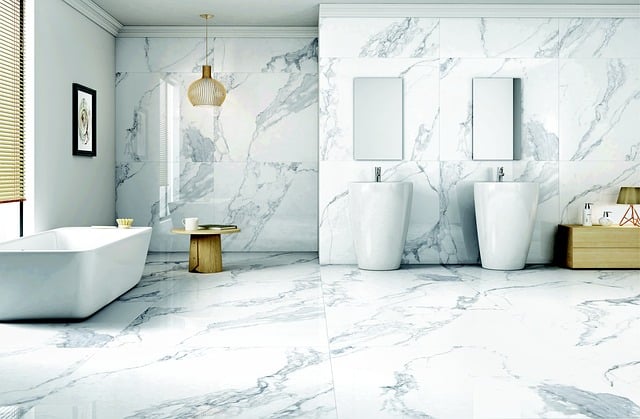
Anti-Slip Flooring Denver installations require meticulous care during maintenance to ensure their longevity and optimal performance. Regular cleaning and inspection are paramount, especially in high-traffic areas like commercial spaces and public facilities. A top-rated product by local experts should be chosen for durability against wear and tear while maintaining grip effectiveness. For instance, laminate flooring Denver offers a balance between cost-effectiveness and resilience, making it suitable for various settings.
Proper maintenance involves vacuuming or sweeping to remove loose debris, followed by deep cleaning with appropriate solutions recommended by the manufacturer. This is crucial because accumulated dirt and grime can reduce the anti-slip properties of Wall Tiles Denver. Additionally, checking for loose tiles or flooring defects and repairing them promptly prevents accidents and maintains safety standards. Regular sealing and coating can also protect against moisture damage and enhance the overall aesthetics.
Longevity is directly tied to consistent maintenance practices. Data from industry studies shows that well-maintained anti-slip floors can last up to 20 years, significantly reducing replacement costs. By adhering to a structured maintenance plan, property managers and business owners in Denver can maximize the return on their investments. Incorporating top-rated products and following expert guidelines ensures not only effective slip prevention but also preserves the flooring’s condition over time.
Anti-Slip Flooring Denver installations require a nuanced understanding of surface compatibility, safety standards, and expert installation techniques for optimal effectiveness. Key takeaways include selecting appropriate anti-slip solutions tailored to specific surfaces, adhering to Colorado’s safety regulations, and avoiding common installation mistakes. Mastering these best practices ensures not only enhanced safety but also the longevity and performance of anti-slip flooring. Moving forward, professionals and property owners alike can leverage this knowledge to implement safer, more durable Anti-Slip Flooring Denver solutions across various environments.