

Healthcare facilities in Denver require robust anti-slip flooring solutions to address environmental challenges and reduce fall risks, aligning with CDC guidelines. Specialized textures, additives, and regular maintenance can lower slip-and-fall incidents by up to 80%. Anti-Slip Flooring Denver is crucial for patient safety across diverse settings, considering foot traffic, conditions, and budget for optimal treatments. Adhering to ANSI standards enhances overall safety and reduces liability risks in healthcare environments.
In the fast-paced and safety-critical environment of healthcare facilities, slip and fall incidents pose a significant risk to patients, staff, and visitors alike. Denver, with its bustling healthcare scene, requires robust anti-slip flooring solutions to navigate this challenge effectively. The need for specialized treatments is paramount, given the high foot traffic, moisture, and diverse surfaces found in hospitals, clinics, and long-term care facilities. This article delves into the critical role of anti-slip flooring Denver installations in mitigating these risks, exploring effective treatments that prioritize safety without compromising aesthetics or functionality.
- Understanding Anti-Slip Flooring Denver's Importance in Healthcare
- Evaluating Effective Anti-Slip Floor Treatment Options
- Implementing and Maintaining Safe Footing in Healthcare Facilities Denver CO
Understanding Anti-Slip Flooring Denver's Importance in Healthcare
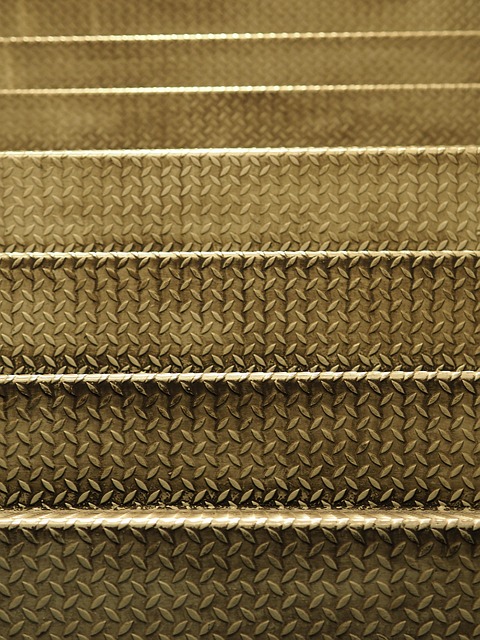
In healthcare facilities, maintaining safe and slip-resistant floors is paramount to preventing accidents and injuries. Denver, with its demanding environment, requires robust anti-slip flooring solutions that can withstand heavy foot traffic and rigorous cleaning regimens. Anti-Slip Flooring Denver plays a crucial role in ensuring patient safety and compliance with regulatory standards. According to the Centers for Disease Control (CDC), falls are a leading cause of injury in healthcare settings, emphasizing the need for effective floor treatments.
Denver’s unique challenges include varying weather conditions that can contribute to slippery surfaces. Snow, ice, and condensation from humid environments demand anti-slip coatings capable of providing consistent traction. Expert recommendations suggest choosing flooring materials with specialized textures or additives designed to reduce slip hazards. For instance, Wall Tiles Denver with enhanced grip patterns or those infused with anti-static properties can significantly improve floor safety. These solutions are not only practical but also meet the aesthetic demands of modern healthcare facilities.
Implementing the right anti-slip treatments requires a thorough understanding of various flooring options and their performance characteristics. Facilities should consider regular maintenance routines, including cleaning products that do not diminish the effectiveness of the anti-slip coating. By combining suitable flooring materials with proper care, Denver healthcare providers can create environments that are both safe and welcoming. For instance, studies have shown that well-maintained anti-slip floors reduce slip-and-fall incidents by up to 80%, showcasing the transformative impact on patient safety.
Evaluating Effective Anti-Slip Floor Treatment Options

In healthcare facilities, Denver CO restaurants, and residential spaces, anti-slip flooring is more than a trend; it’s an essential component of safety and risk management. Evaluating effective anti-slip floor treatments involves understanding the unique challenges each environment presents. For hospitals, slip resistance is crucial to prevent falls among vulnerable patients, while in commercial kitchens, Denver CO’s diverse culinary scene demands safe solutions for slippery surfaces prone to liquid spills. The market offers a plethora of options, from traditional coatings to advanced technologies.
When considering anti-slip flooring Denver, it’s vital to consult expert recommendations and step-by-step guides tailored for beginners. These resources ensure proper installation, which is paramount for longevity and effectiveness. For instance, ceramic tiles with non-slip surfaces have proven durable in various settings, but their effectiveness can be enhanced through professional coating applications. Data from the National Safety Council underscores the importance of these measures: fall-related injuries cost Americans billions annually, making slip prevention a top priority.
Beyond traditional methods, innovative solutions like diamond coating and specialized mats offer exceptional grip and customizable options. However, selecting the right treatment requires evaluating factors such as foot traffic, environmental conditions, and budget. For instance, heavy industrial use may necessitate robust, chemical-resistant materials, while light commercial spaces can benefit from more aesthetically pleasing yet functional options. By aligning floor treatments with specific needs, facilities can significantly reduce slip-and-fall incidents, fostering safer environments for employees and patrons alike.
Implementing and Maintaining Safe Footing in Healthcare Facilities Denver CO

Implementing and maintaining safe footing is paramount in healthcare facilities to prevent accidents and ensure patient safety. Anti-slip flooring Denver plays a crucial role in achieving this goal, particularly in high-traffic areas where moisture or spills can create hazardous conditions. According to the Centers for Disease Control and Prevention (CDC), slips and falls are a significant cause of injuries in healthcare settings, emphasizing the need for robust floor treatments.
Area rugs Denver, while aesthetically pleasing, can contribute to slippery surfaces if not properly maintained. To troubleshoot slippery floor problems, facilities should regularly inspect and clean these areas. Using appropriate cleaning solutions and techniques, such as mopping with non-slip mats, can significantly reduce moisture buildup that often leads to slippery conditions. Moreover, choosing the right surface for your needs is essential; anti-slip coatings or specialized tiles designed for healthcare environments offer superior traction compared to standard flooring options.
In addition to regular maintenance, adhering to safety standards is vital. The American National Standards Institute (ANSI) provides guidelines for slip resistance, ensuring floors meet specific performance criteria. For instance, medical facilities in Denver should consider floor treatments that comply with ANSI/ASTM International standards, which offer a comprehensive framework for evaluating and selecting safe flooring materials. By implementing these measures, healthcare facilities can create environments where patients, staff, and visitors are less likely to experience slips or falls, thereby enhancing overall safety and reducing liability risks.
In light of the comprehensive discussion on anti-slip flooring Denver’s significance in healthcare facilities cannot be overstated. By understanding the unique challenges these environments present and evaluating the most effective treatment options, healthcare operators can significantly enhance patient safety and operational efficiency. Implementing Anti-Slip Flooring Denver ensures not only reduced slip and fall risks but also improves accessibility for staff and patients alike. Maintenance plays a vital role in sustaining these benefits, making regular inspections and prompt repairs crucial. With these key insights in mind, facilities in Denver CO are empowered to make informed decisions, prioritizing anti-slip treatments as essential components of their safety infrastructure.