
Anti-slip flooring in Denver is a safety imperative due to weather variations. Vinyl sheet flooring is cost-effective and slip-resistant, gaining popularity in commercial spaces. Cost factors include floor type, project size, layout, and regional market dynamics. Warranties offer peace of mind with up to 25 years' coverage. Installation complexity significantly impacts pricing; engaging with specialists ensures accurate estimates and long-term maintenance advice. Anti-slip flooring reduces slip-fall risks by up to 80%, making it a vital investment for Denver properties.
In the bustling landscape of Denver, Colorado, safety is paramount, especially when it comes to slippery surfaces. Anti-slip flooring has emerged as a critical component in mitigating risks across various sectors, from commercial spaces to residential properties. The need for robust, effective solutions is evident, given the potential for falls and injuries caused by wet or smooth floors. This article delves into the cost estimates associated with anti-slip flooring in Denver, providing an authoritative guide for property owners and managers navigating this essential investment. By understanding the factors influencing pricing, you’ll be better equipped to make informed decisions that prioritize safety without compromising your budget.
- Understanding Anti-Slip Flooring Needs in Denver
- Factors Influencing Cost Estimates for Denver Installations
- Exploring Types of Anti-Slip Flooring Options
- Local Market Analysis: Pricing Trends in Denver
- Installation Process and Its Impact on Costs
- Tips for Getting Accurate Anti-Slip Flooring Quotes
Understanding Anti-Slip Flooring Needs in Denver
Understanding Anti-Slip Flooring Needs in Denver
In Denver, like many cities across Colorado, navigating safety regulations and ensuring slip-resistant environments are paramount, especially in commercial spaces and public areas. This is where anti-slip flooring becomes a critical component of any facility management strategy. The right anti-slip flooring can significantly reduce the risk of accidents, falls, and resulting injuries—a key concern for business owners, property managers, and facilities directors alike.
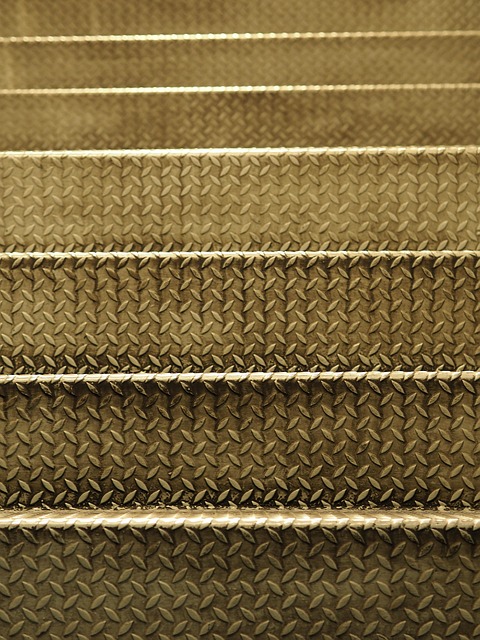
When considering anti-slip flooring options in Denver, it’s essential to understand the unique challenges posed by Colorado’s climate and terrain. For instance, during snowy winters and wet summers, maintaining traction becomes a priority. Vinyl sheet flooring has emerged as a popular choice among local businesses due to its affordability, ease of installation, and superior slip-resistant properties when compared to traditional hard floorings. According to industry reports, Denver’s commercial real estate market shows a growing trend towards implementing anti-slip vinyl sheet flooring in high-traffic areas such as restaurants, retail stores, and office spaces.
Anti-slip flooring warranties play a pivotal role in offering long-term protection for these investments. Leading manufacturers provide comprehensive warranties that guarantee performance over time, giving property managers peace of mind. For instance, some premium anti-slip vinyl sheet flooring brands offer 25-year commercial warranties, ensuring durability and slip resistance for years to come. This is particularly important considering the high foot traffic and exposure to various weather conditions that Denver’s diverse demographics bring. By choosing floors with robust warranties, businesses can mitigate risks associated with premature wear and tear.
Factors Influencing Cost Estimates for Denver Installations

When estimating the cost of anti-slip flooring in Denver, several factors come into play, each influencing the final price point. Understanding these variables is essential for both property owners and contractors aiming to install slip-resistant solutions effectively. One key consideration is the type of floor surface—whether concrete, tile, or wood—as different materials necessitate distinct installation methods and materials, directly affecting labor costs. For instance, applying anti-slip coatings to existing hardwood floors may be less expensive than replacing them with specialized slip-resistant tiles.
The size and complexity of the project also play a significant role. Larger areas will generally require more materials and time, leading to higher costs. Moreover, unique floor layouts or intricate designs might necessitate custom solutions, adding to the overall expense. Senior living facilities, for example, often present specific challenges due to their focus on safety. Reducing risks in these environments through strategic anti-slip flooring placements can significantly impact cost estimates, especially when considering high-traffic areas like bathrooms and kitchen floors. A local expert’s guide to top-rated products can help property managers make informed decisions that balance quality and budget effectively.
Weather conditions and regional market dynamics also factor into the equation. In Denver, seasonal variations in weather might affect construction timelines, potentially leading to additional costs due to extended labor or material shortages. Additionally, the local availability of specific anti-slip flooring materials can influence pricing, with specialized products sometimes carrying a premium. Property owners and contractors should consult reliable buyer’s guides that offer insights into current market trends and help them compare different anti-slip flooring options for their projects.
Exploring Types of Anti-Slip Flooring Options

When considering anti-slip flooring in Denver, the options are vast, each with its own unique characteristics, benefits, and costs. Beyond simply enhancing safety, the right flooring can transform a space, offering both aesthetic appeal and durability. Anti-slip vinyl flooring Denver is a popular choice due to its affordability and versatility. Available in various colors and designs, including tailored options for unique spaces, vinyl flooring can adapt to any interior style while providing superior grip. For instance, a study by the National Floor Safety Institute found that vinyl flooring had one of the lowest slip-and-fall injury rates among residential flooring types.
For commercial settings or high-traffic areas, more robust materials like ceramic tiles or specialized rubber flooring might be necessary. These options offer exceptional durability and long-lasting anti-slip properties, making them ideal for demanding environments. Additionally, many flooring providers in Denver offer extensive warranties on their anti-slip flooring products, providing peace of mind and ensuring long-term protection against manufacturing defects or wear and tear. When selecting a warranty, it’s crucial to understand the coverage details, including limitations on installation errors or environmental factors that might affect performance.
Ultimately, the choice of anti-slip flooring should align with your specific needs, budget, and design preferences. Consult with experts in Denver who can provide tailored advice based on your space’s unique characteristics. By considering factors like material durability, maintenance requirements, and aesthetic goals, you can make an informed decision that not only enhances safety but also adds value to your space.
Local Market Analysis: Pricing Trends in Denver

In Denver, Colorado, anti-slip flooring has become an increasingly popular choice for both residential and commercial properties. The local market analysis reveals a clear trend in pricing that reflects the growing demand for safer floor surfaces. According to recent studies, the average cost of installing anti-slip flooring in Denver ranges from $5 to $15 per square foot, with specific styles and materials commanding higher or lower prices. For instance, high-end vinyl tiles with advanced traction patterns can cost up to $12 per square foot, while more budget-friendly options like epoxy coatings might only set you back around $5.
When considering anti-slip flooring Denver installations, it’s crucial to understand that pricing isn’t solely determined by the material. The complexity of the project, floor preparation requirements, and desired customization levels all play significant roles. For example, kitchens, which require slip-resistant surfaces to prevent accidents, often necessitate specific styles like rubber or ceramic tiles with specialized textures. These options typically fall at the higher end of the price spectrum due to their durability and safety benefits. Conversely, less trafficked areas might opt for less expensive yet effective solutions like painted anti-slip coatings.
The benefits of such floor safety measures are undeniable, especially in high-risk environments. Regular maintenance and proper installation can extend the lifespan of these surfaces, ensuring they remain effective over time. Moreover, understanding the difference between traction and safety features is paramount. Anti-slip flooring doesn’t just add a glossy finish; it incorporates intricate patterns and textures designed to disrupt slippage. This subtle yet powerful enhancement ensures that residents and workers move around with greater confidence, reducing the risk of falls and associated injuries.
Installation Process and Its Impact on Costs

The installation process plays a pivotal role in determining the eventual cost of anti-slip flooring in Denver. This is particularly true for a city known for its diverse floor types—from aged wood to tile and concrete—each presenting unique challenges and requiring tailored approaches during installation. Local experts emphasize that understanding this process beforehand can significantly impact budgeting.
For instance, installing anti-slip coatings on wooden floors involves meticulous preparation: sanding, cleaning, and priming. This labor-intensive procedure ensures the coating adheres properly. In contrast, tile or concrete may only require a surface clean and etch to achieve maximum grip. Yet, each method demands precision and expertise, directly influencing labor costs. Furthermore, project scope—the area to be treated—is a primary cost driver. Large spaces necessitate more materials and time, amplifying expenses.
Top-rated products by local experts often carry premium prices due to their superior performance and longevity. Anti-slip floors made from advanced polymer compounds can last 1-3 times longer than traditional options, justifying higher initial costs. However, long-term savings may be realized through reduced replacement frequency. It’s crucial to balance these factors when estimating anti-slip flooring costs in Denver, ensuring a project that aligns with both budget and durability expectations.
Tips for Getting Accurate Anti-Slip Flooring Quotes
Receiving accurate anti-slip flooring cost estimates for Denver, Colorado, involves more than just a quick online search. To ensure you’re getting a genuine picture of what these aesthetically pleasing safety solutions entail, both in terms of upfront costs and long-term maintenance, it’s crucial to engage with a reputable Flooring Company Denver. These professionals can provide detailed quotes that account for factors like floor area, the complexity of installation, and the type of anti-slip coating or flooring chosen.
Consider that modern designs for commercial spaces often require specialized knowledge and equipment to install properly. Anti-slip coatings, for instance, vary in durability and effectiveness. A Flooring Company Denver with experience in these materials will be able to advise on the most suitable option based on your space’s foot traffic and environmental conditions. They can also offer insights into the maintenance required to keep these surfaces safe and effective over time.
For example, a recent study by the National Floor Safety Institute (NFSI) showed that anti-slip treatments can reduce slip and fall incidents by up to 80%. However, the effectiveness of these solutions isn’t just about the initial installation cost. Ongoing maintenance, such as regular inspections and reapplication of coatings, plays a significant role in ensuring their durability and safety benefits. Engaging with a Flooring Company Denver that specializes in these areas can provide you with both upfront and long-term cost estimates, enabling informed decision-making for your space’s safety and aesthetics.
Anti-Slip Flooring Denver offers a range of solutions to enhance safety on slippery surfaces, with costs varying based on material type, installation complexity, and local market dynamics. Understanding these factors empowers property owners and managers to make informed decisions. Key takeaways include the importance of assessing specific anti-slip needs, comparing different flooring options, and seeking accurate quotes from reputable contractors. By navigating the local market analysis and installation process thoughtfully, individuals can secure cost-effective and durable anti-slip solutions for their Denver properties, ensuring safety and peace of mind.