
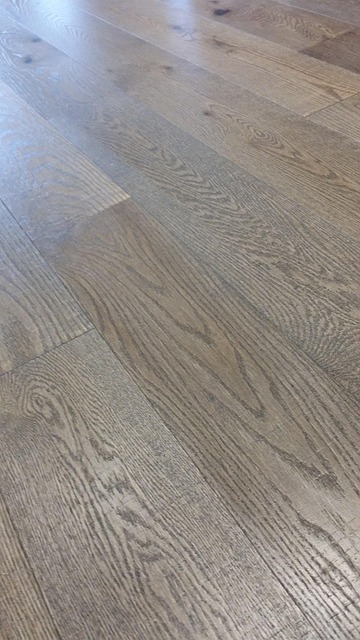
Choosing Anti-Slip Flooring Denver is paramount for commercial safety, reducing slip and fall risks up to 80%, especially in high-traffic areas like restaurants, hotels, and gyms. Key factors include understanding challenges like high footfall, cleaning routines, weather, and material properties. Sustainable options like laminate flooring offer tailored finishes, durability, and recyclability. Expert installation ensures maximum slip resistance while preserving floor aesthetics. Custom solutions based on unique facility needs, maintenance, and regular inspections are vital for optimal traction and safety throughout the year.
In the bustling landscape of Denver’s business sector, ensuring safety and preventing accidents is paramount. One often overlooked yet critical aspect of workplace wellness involves the floor: its texture and traction. Slippery surfaces can pose significant risks, leading to falls and potential injuries. To mitigate these hazards, embracing tailored anti-slip flooring solutions in Denver is an essential step for every forward-thinking business. This article delves into the problem and offers a comprehensive guide to securing expert custom anti-slip flooring Denver installations that prioritize safety without compromising aesthetics.
- Understanding Anti-Slip Flooring Denver Needs
- Identifying High-Risk Areas for Slips and Falls
- Selecting the Right Custom Anti-Slip Solution
- Installation Best Practices for Longevity
- Benefits of Professional Anti-Slip Flooring in Denver
- Maintenance Tips to Ensure Safety Continuously
Understanding Anti-Slip Flooring Denver Needs
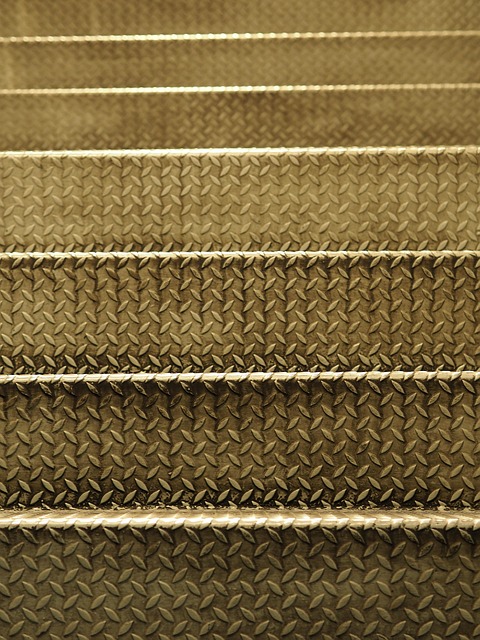
The choice of flooring in commercial spaces, especially high-traffic areas in Denver, goes beyond aesthetics; it’s a critical safety measure. Anti-Slip Flooring Denver businesses require isn’t just about preventing accidents but also ensuring compliance with health and safety regulations. The right anti-slip solution can mitigate risks associated with slippery surfaces, particularly in restaurants, hotels, gyms, and industrial facilities. Understanding the specific challenges of your Denver business environment is key to selecting effective flooring.
Commercial spaces face unique challenges compared to residential areas. For instance, high footfall, frequent cleaning routines with water or chemical solutions, and varying weather conditions can all contribute to slippery surfaces. Wood, tile, and concrete—popular choices in Denver—each present different levels of natural slip resistance. While wood offers a warm aesthetic, it may require specialized treatments for enhanced traction. Tile, known for its durability, can become slick when wet without proper coating. Concrete, inherently slip-resistant but often smooth, benefits from textured coatings for improved safety.
Sustainable anti-slip flooring options are gaining popularity among environmentally conscious businesses in Denver. Laminate flooring, a versatile and cost-effective choice, offers various anti-slip finishes that can be tailored to specific needs. This option is particularly appealing due to its ease of installation, durability, and the ability to be recycled at the end of its life cycle. When considering anti-Slip Flooring Denver solutions, it’s crucial to consult with experts who can provide installation tips tailored to your space. Proper installation ensures maximum slip resistance while preserving the aesthetic appeal and structural integrity of your floor.
Identifying High-Risk Areas for Slips and Falls

Identifying high-risk areas for slips and falls is a critical step in implementing effective anti-slip solutions for any business in Denver. According to the National Safety Council, slip and fall accidents are a leading cause of workplace injuries, resulting in significant time away from work and potential legal liabilities. In cold climates like Denver’s, tile flooring often becomes slick when wet or frozen, while outdoor spaces can pose risks due to varying weather conditions.
Kitchens, for instance, represent a prime area for consideration. With frequent water usage from sink activities and potential oil or grease spills, anti-slip floor styles for kitchens become essential. Tile flooring in Denver can be treated with anti-slip coatings to mitigate these risks, ensuring safety without compromising aesthetics. Similarly, outdoor carpeting in entryways and walkways can significantly reduce the chances of slips, especially during winter months when snow and ice accumulate.
Beyond indoor and outdoor spaces, areas with high foot traffic, such as retail stores or manufacturing facilities, should be prioritized. These zones often experience frequent changes in temperature and humidity, which can affect flooring surfaces. Outdoor areas accessible to the public, like patios or decks, also warrant attention due to their exposure to varying weather conditions. Implementing anti-slip flooring Denver solutions in these high-risk areas not only protects patrons and employees but also demonstrates a commitment to safety and responsibility.
Data suggests that proactive measures can significantly reduce slip and fall incidents. According to the U.S. Occupational Safety & Health Administration (OSHA), businesses with well-maintained, non-slip flooring see a notable decline in related accidents. By identifying these high-risk areas and adopting suitable anti-slip solutions like treated tile flooring Denver or outdoor carpeting, businesses can create safer environments, protect their reputations, and potentially avoid costly legal consequences.
Selecting the Right Custom Anti-Slip Solution

Selecting the right custom anti-slip solution for your Denver business is a critical step in mitigating risks associated with slippery floors. Understanding the unique challenges your facility presents is key to effective troubleshooting. Slippery surfaces can stem from various factors, including high traffic areas, water or liquid spills, and poor lighting—all common issues in commercial settings. For instance, according to the National Safety Council, slips and falls account for a significant portion of non-fatal injury claims in the workplace. A tailored anti-slip flooring Denver solution can significantly reduce these risks.
The first step is evaluating your floor’s current condition and identifying areas most prone to slippage. This process involves assessing surface texture, moisture levels, and existing traction. Once identified, specific anti-slip floor materials can be recommended, such as diamond grinding for smooth concrete or specialized coatings for wooden floors. For instance, a food processing plant might require non-toxic, food-safe anti-slip coatings to maintain hygiene standards while ensuring worker safety.
Proper maintenance is equally vital to prolonging the effectiveness of your custom anti-slip solution. Regular cleaning and inspections are essential to prevent surface degradation or loss of traction. Understanding how different floor materials respond to cleaning solutions is crucial. For example, some anti-slip coatings may require specialized cleaning agents to avoid damage while others can withstand more aggressive cleaning methods. Regular maintenance not only ensures optimal traction but also extends the lifespan of your flooring investment.
Installation Best Practices for Longevity
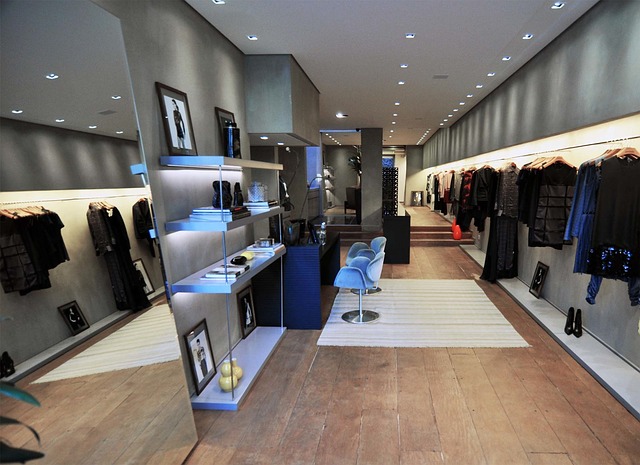
Installing custom anti-slip solutions, such as Vinyl Sheet Flooring Denver, requires a strategic approach to ensure longevity and maximize safety, especially in high-risk areas like senior living facilities. The process involves careful preparation, precise application, and attention to detail. Following step-by-step guides for beginners can help reduce risks and create a safer environment. One of the first steps is identifying slippery spots—areas where accidents are more likely to occur—and prioritizing their treatment.
Best practices dictate that the subfloor should be thoroughly cleaned and prepared before applying any flooring. This involves removing debris, repairing any damage, and ensuring the surface is dry and level. For Vinyl Sheet Flooring Denver, a professional can utilize specialized tools and adhesives designed for anti-slip applications. The material’s smooth texture naturally reduces friction, but proper installation enhances its effectiveness. Regular maintenance, including cleaning and inspecting the flooring, is crucial to maintain its anti-slip properties over time.
Data from industry reports highlights that well-maintained anti-slip flooring can reduce falls by up to 80% in senior living facilities. By following best practices and staying informed about new technologies, businesses can make strategic decisions regarding their flooring choices. For instance, incorporating non-slip coatings or embedded beads into flooring materials offers added protection without compromising aesthetics. These steps collectively contribute to a safer, more comfortable environment for Denver residents and visitors alike.
Benefits of Professional Anti-Slip Flooring in Denver

Anti-Slip Flooring Denver is an essential consideration for any business owner aiming to create a safe and efficient working environment. Professional installation of these specialized flooring solutions offers far more than aesthetic benefits; it significantly reduces the risk of slips, falls, and associated injuries. By identifying high-risk areas and implementing customized anti-slip measures, businesses can dramatically improve safety standards while adhering to legal obligations.
For instance, according to the National Safety Council, slip and fall accidents are a leading cause of workplace injuries, resulting in substantial financial costs and downtime for affected employees. The right flooring contractor in Denver can play a pivotal role in mitigating these risks through tailored solutions. Customized anti-slip coatings or textures can be applied to various floor types, from concrete to wood, providing superior traction without compromising aesthetics. This proactive approach not only protects employees but also demonstrates a commitment to workplace safety that can enhance a company’s reputation.
Moreover, efficient anti-slip flooring strategies involve more than just reactive measures. By thoroughly assessing facilities and pinpointing problem areas, businesses can implement structured prevention plans. High-traffic zones, wet or greasy surfaces, and uneven floors are common slip hazards that call for specialized treatment. A reputable Flooring Contractor Denver will employ advanced techniques to address these challenges, ensuring long-lasting protection. Regular maintenance and inspections further strengthen these safety measures, allowing businesses to adapt quickly to changing conditions and maintain a safe environment throughout the year.
Maintenance Tips to Ensure Safety Continuously

Maintaining a safe environment is paramount for any business, especially those operating in areas with high foot traffic or handling slippery materials. Anti-slip flooring Denver has become an essential consideration for many establishments, offering a reliable solution to prevent accidents and ensure customer safety. To maximize the effectiveness of these solutions, regular maintenance is key. This involves more than just occasional cleaning; it requires a strategic approach to keep floors in optimal condition.
One effective practice is to conduct thorough inspections at least once a week. During these checks, examine the flooring for any signs of wear, damage, or losing its anti-slip properties. Regular observation allows for prompt addressing of issues before they escalate. For instance, a quick review might reveal exposed grout or loose tiles that can be repaired or replaced immediately, preventing potential hazards. Additionally, maintaining proper humidity levels is crucial; excessive moisture can render anti-slip flooring Denver less effective, so ensure dehumidifiers are in use where necessary.
Floor care products play a significant role in sustaining the integrity of anti-slip surfaces. Opt for commercial-grade cleaners and sealers specifically designed for these types of floors. Avoid using aggressive chemicals or abrasive materials that could damage the flooring. Regular cleaning with a mild detergent and warm water, followed by a thorough rinse, helps remove dirt and grime without compromising the anti-slip coating. It’s also recommended to reapply floor sealants every 6-12 months, depending on traffic volume, to maintain their protective properties. By adhering to these maintenance tips, Denver businesses can ensure their anti-slip flooring solutions remain effective, providing a safer environment for employees and customers alike.
Furthermore, staying informed about the latest Flooring Reviews Denver offers valuable insights into new products and technologies. The market is evolving, offering innovative anti-slip solutions with enhanced durability and aesthetics. Keeping abreast of these developments enables businesses to make informed decisions when replacing or upgrading their flooring systems, ensuring they remain at the forefront of safety measures.
By understanding Denver’s specific anti-slip flooring needs, identifying high-risk areas, and selecting tailored solutions, businesses can significantly reduce slip and fall accidents. Installation best practices and ongoing maintenance are key to ensuring longevity and safety. The benefits of professional anti-slip flooring in Denver include enhanced safety, improved accessibility, and increased peace of mind for employees and customers alike. Implement these strategies to create a safer, more secure business environment, demonstrating your commitment to the well-being of those who rely on your premises.